Why I never teach or practice shoulder stand (and what I do instead)

Salamba Sarvangasana, or supported shoulder stand, is one of those asanas included in almost all postural yoga methods. It is said to be very beneficial, so much so that it was, at some point, crowned the queen of asanas. But does it truly possess all the claimed benefits, and does it rightfully wear that crown? Unfortunately, it doesn’t. So why is everyone still doing it? When something is deeply embedded in a tradition, in this case, the yoga tradition, it is hard to dismiss it, even if it can potentially cause harm. So, instead of just discontinuing something that doesn't serve us, such as an asana in which the risks far outweigh the benefits, we keep bending over backwards to make it work for the sake of tradition.
Rebel, rebel
But let's start at the beginning. About ten or so years ago, I completely stopped practising shoulder stands. I had suffered from neck muscle spasms at least once a month, and once I ran out of excuses (it's the pillow, it's my sleeping position, it's the draft, etc), I realised it could be connected to my practice. Guessing it could be a culprit, I removed the shoulder stand and halasana (plough) from my practice, and miraculously, my neck spasms disappeared. Regardless, I continued to teach them for a while longer. I, too, was trying to make them safer by folding blankets and instructing students not to go too deep. I didn’t want to be seen as such a rebel. A yoga teacher teaching asana must include a shoulder stand, right? Wrong. Thankfully, it didn’t take me long to realise that my students’ safety is more important than tradition. I stopped teaching shoulder stand and halasana, asked other teachers in my studio not to teach them, and completely removed them from the method we teach in Spanda Yoga Teacher Training courses. I/we teach legs up the wall or block under the sacrum (Viparita Karani) instead.
I dethroned the queen, and I didn't stop there. It was like an awakening. I examined other asanas and practices I was unsure about, weighed the benefits and risks, consulted specialists, and eliminated them if they didn't meet the criteria. I have conducted extensive research, gained a deeper understanding of the body/mind, and discussed asanas and other deeply rooted practices with numerous professionals, including physiotherapists, osteopaths, neurologists, and neuroscientists. As a result, I have refined what I teach and what we teach at our YTTs. I view yoga as a healing discipline and believe that everything we do on the mat should serve that purpose, and no other.
Shoulder stand risks
So, what is the problem with the shoulder stand? When you look at the neck in this asana, you will notice it is flexed by almost 90 degrees. However, deep flexion does not occur equally in all cervical vertebrae equally; the lower ones take the most load. It wouldn't be such an issue when standing and dropping your chin to your chest for a deep neck flexion. It is an issue, however, if you are putting almost your whole body weight on your flexed neck, supported only by your upper arms. This position overstretches the muscles and can cause nerve damage. When you are in any deep stretch, you are not only stretching the muscles; you are stretching all the soft tissue, including the peripheral nerves. Like some soft tissue, nerves don't have the same elasticity as muscles and should not be overstretched. When overstretched and compressed, as in asanas such as the shoulder stand and plough, this can cause nerve damage and symptoms including pins and needles, muscle weakness, and numbness. Protracted necks, or a head-forward position, which many of us suffer from due to prolonged use of computers and phones, only add to the risk.
If you have any vertebrae or disk damage in the cervical spine, the last thing you want is to put so much weight on your flexed neck. I was having spasms because I had two herniated disks in my cervical spine (I didn't know this at the time). My body responded by immobilising the injured area to minimise movement and injury. This is what sometimes causes long-lasting muscle tightness and spasms. Finally, full inversions, such as a shoulder stand, increase blood pressure and are contraindicated for people with hypertension, glaucoma, blood clots, heart disease, and pregnant women.
Are there any benefits of inversions?
While some in the yoga community swear by them, the research involving inversion therapy is inconclusive and lacks concrete evidence. I say 'inversion therapy' and not research on shoulder stands or headstands because these are not sufficiently interesting to prompt serious research, so we need to think creatively. Research on inversion therapy typically examines full-body inversion, utilising specially designed tables or gravity inversion boots and anklets. Some studies have shown that there are benefits of such full inversions for people with lower back pain, sciatica, scoliosis, and poor circulation. However, these are more passive inversions, and fully inverted asanas are not passive; they involve engaging most muscles. Therefore, it is fair to conclude that, if performed correctly, some exercises, such as a headstand or a handstand, can benefit circulation and are beneficial for the body, especially the core. They should still be avoided if you have hypertension, glaucoma, blood clots, heart disease, or are pregnant.
Leg inversions, such as legs up the wall or Viparita Karani with a block/pillow under the sacrum, are not full inversions and thus reduce risks while reaping some benefits, including improved circulation. It is a good practice to do after a long day, especially after being on your feet for a long time. It feels good after a dynamic asana practice, as it is a more restorative asana and can induce a relaxation response.
Summary
Over the centuries, yogis have developed many brilliant practices, as well as some questionable ones - just like any other discipline. Yoga has also evolved over the years to serve the needs of humans of all ages; this is not new. What might have benefited a young man living in rural India 300 years ago may not benefit a stressed-out manager living in the 21st century. Yoga inspired other disciplines, but was also changed and inspired by them. Today, it has been refined and modified through scientific research to serve the health and well-being of a 21st-century human. So, whatever practice you choose to do, even if it is a shoulder stand, be clear about whether it serves you or if you're doing it for the sake of some tradition. Just because someone who possibly knew little about human anatomy and physiology crowned an asana once doesn't mean it's beneficial for you.
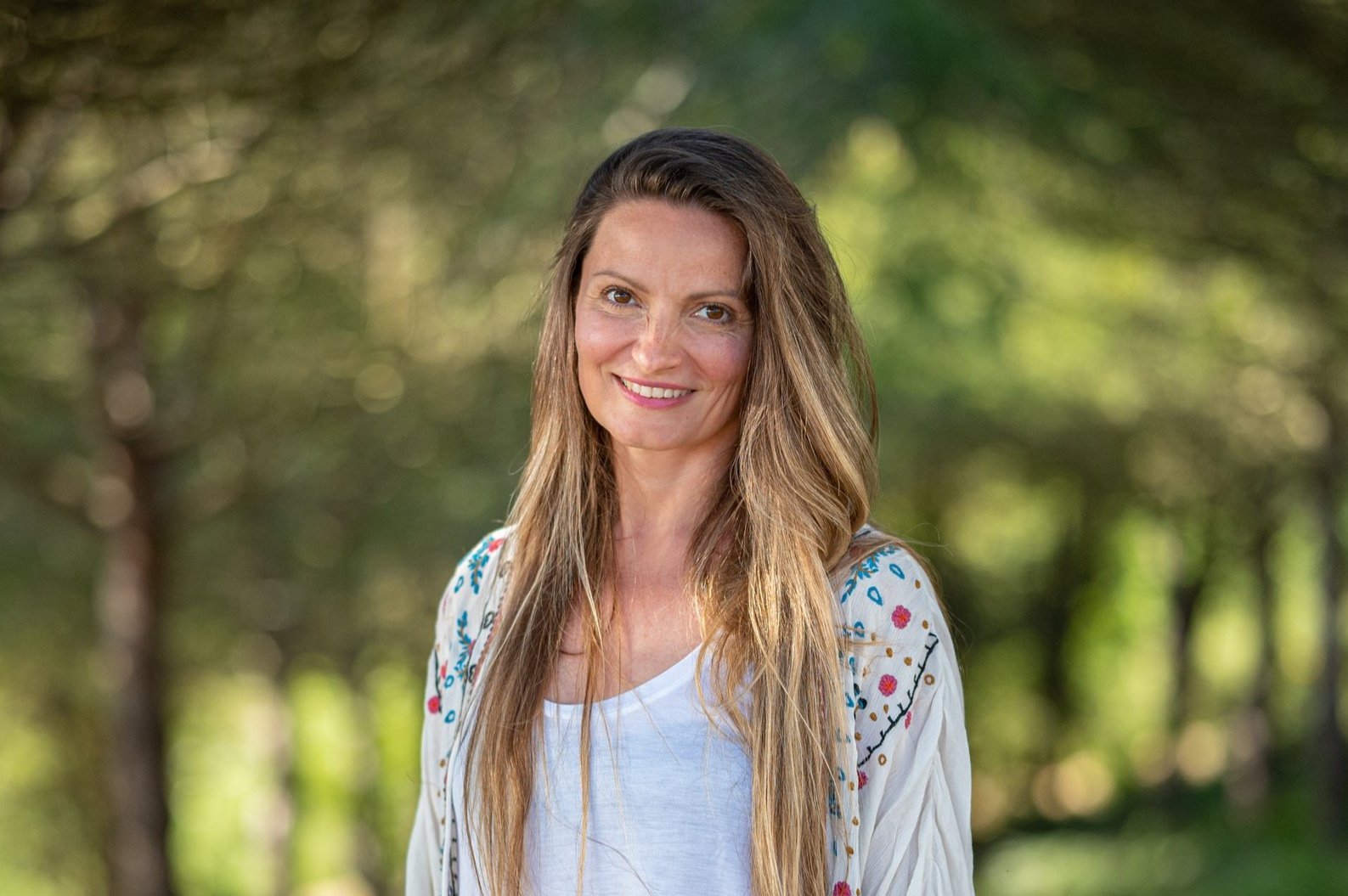
Nina Vukas
Nina is the founder of Spanda Institute, Program Director and a Lead Teacher for Advanced Study Programs. She has been a Yoga practitioner since 1998, started teaching full-time in 2005, and has been educating yogis on their journey towards becoming Yoga Teachers, as well as educating Yoga Teachers to advance their knowledge and teaching skills since 2009. Nina is also a Yoga Therapist, Somatic Psychotherapist, Mindfulness and Meditation teacher with a degree in Psychology. She is currently pursuing a master’s degree in Applied Neuroscience.